

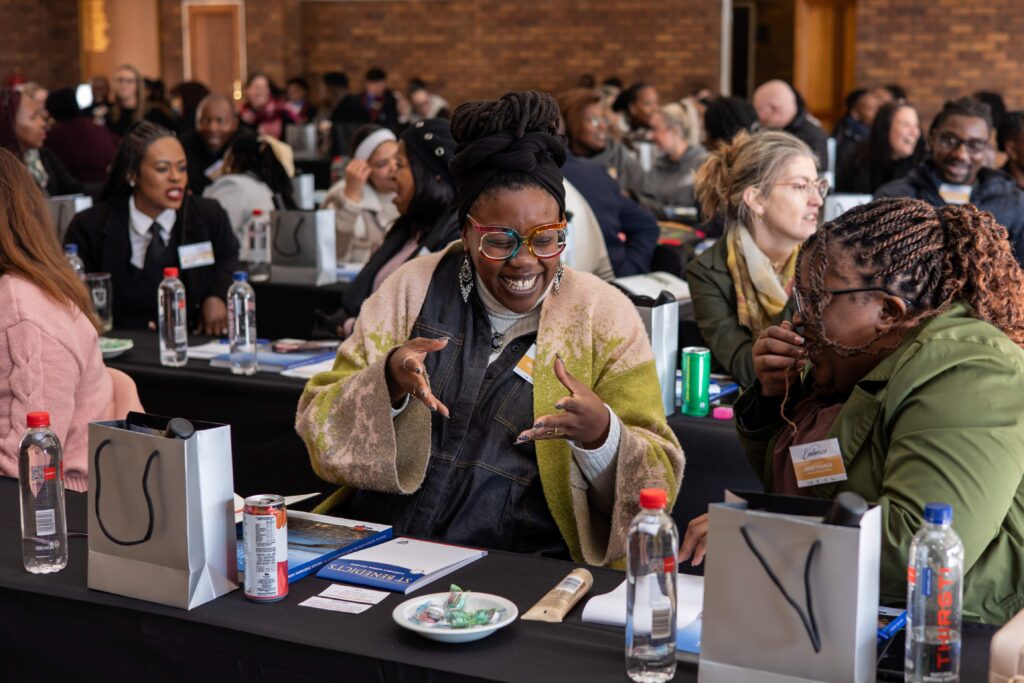
The annual Embrace Symposium brought together 100 delegates from 24 schools to address the future of South African education by putting youth-centred learning at the heart of the conversation. Hosted by St Benedict’s College, the conference challenged educators to integrate local heritage into modern schooling, ensuring every child feels a deep sense of belonging and can thrive as their authentic self.
This year’s theme, “Let’s Meet Under the Tree: Using Indigenous Knowledge Systems and Pedagogy as Pathways to Social Healing in Education,” tackled a vital conversation. While “Indigenous Knowledge Systems” (IKS) sounds academic, the concept is straightforward: weaving traditional African wisdom, local customs, languages, and community-focused learning into the school system. School leadership recognised that because the core mission of schooling is growth, adapting traditional curricula through a South African lens is vital.
Redefining indigenous knowledge systems to create a true home
The programme explored how IKS can foster everyday psychological safety. Psychologist Erick Kabongo reframed IKS as the profound wisdom and worldview existing outside of textbooks, passed down through language, oral storytelling, and family structures.
Kabongo challenged mainstream schools to genuinely make space for this wisdom, redefining “indigenous” as that which makes a person feel at home. True transformation, he noted, requires daily normalisation rather than symbolic recognition on Heritage Day.

Putting belonging into practice: overcoming traditional hurdles
This call to make schools a psychological “home” was directly linked to real-world change by St Benedict’s Executive Head, Andre Oosthuysen. Reflecting the host school’s commitment to driving transformation from the top down, Oosthuysen shared how the institution has adopted a completely open hair policy, allowing boys to wear Afros, dreadlocks, or ponytails as an authentic expression of personal identity. The principle is simple: “A boy’s hair is his halo. As long as hair does not disrupt a boy’s academic efforts, it should not be overly policed.”
Implementing these changes requires confronting cultural inertia. The hair policy sparked some backlash from parents and alumni concerned about discipline, despite student behaviour remaining unchanged. Oosthuysen also discussed his unsuccessful attempt to remove compulsory rugby match attendance to challenge the sport’s dominant status. Despite these hurdles, and the resistance met when deviating from historical moulds, the school remains committed to individual expression.
Reclaiming language and identity
Professor Connie Makgabo of SANTS presented a vision where classrooms evolve from rigid academic spaces into emotionally safe environments, criticising the colonial legacy of using English as the primary language of learning and teaching (LOLT). Demanding a radical shift toward language revitalisation, she stated that teaching without healing is like “watering a stone.”
Attorney and teacher Chris Harrison also looked at language and warned against a trend where parents who speak African languages choose English only at home, resulting in a thin home language that undermines a child’s cognitive development. He urged white South Africans to actively learn local languages to break out of monolingual complacency.
Shifting the centre: brave spaces
History teacher Tebogo Maneli delivered a call for African-centredness, asserting that educational environments must be brave. This involves confronting imported linguistic trends. She critiqued the phrase “people of colour” for centring whiteness, advocating instead for direct language that validates distinct identities: Black, white, coloured, and Indian.
From empathy to truth
Media personality Dan Corder illustrated the impact of empathetic educators by sharing his childhood journey with generalised AuDHD, social anxiety, and a stutter. He credited his high school coaches and teachers with saving his life, validating his unique ideas and paving the way for a 15-year broadcasting career.
Corder linked classroom safe spaces to broader South African society, focusing on narrative control and digital literacy. Believing teachers are guardians of baseline truth, he urged independent and religious schools to use their moral authority to break out of performative compliance and elite isolation, transforming institutional power into support for under-resourced schools.
Shared experiences and lived belonging
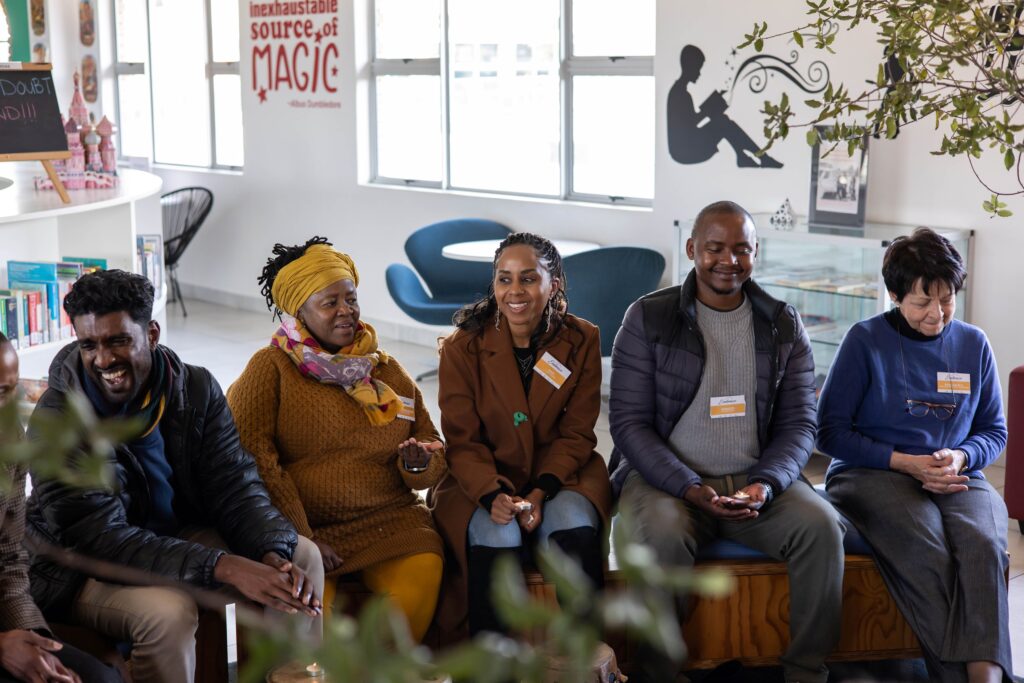
The dialogue extended into breakout sessions, where delegates from different schools shared ideas for taking these learnings back to their own institutions, demonstrating their role as passionate custodians of their children’s education.
Ultimately, the Embrace Symposium showed that true transformation is not about symbolic recognition on Heritage Day, but about lived, daily belonging where every student can bring their full self to school. These conversations were made possible thanks to this year’s sponsor, Motus Bedfordview, whose support ensured these essential educational dialogues could take place. Next year, the Embrace Symposium returns to tackle more of the difficult, necessary topics needed to drive real change in South African education.